Tuomio: Alimitoitettu verhokiinnikkeet aiheuttavat 80 % roikkuuista ja putoavista tangoista
Verhoasennuksissa yleisin yksittäinen vikakohta ei ole tanko tai ankkurit, vaan itse verhokiinnikkeet. Kenttätiedot 500 asuinverhoasennuksesta osoittavat, että 80 % roikkuvista tangoista ja pudonneista verhoista johtuu kiinnikkeistä, jotka ovat alimitoitettuja verhon painoon nähden tai jotka on asennettu riittämättömällä ankkurointisyvyydellä . Suora johtopäätös: valitse verhokiinnikkeet perusteella projisointisyvyys (etäisyys seinästä tangon keskipisteeseen), painokapasiteetti kiinnikettä kohti, materiaali (teräs > alumiini > muovi) ja seinäankkurin yhteensopivuus . Tavallinen 1,8 metrin ikkuna pimennysverhoineen, jotka painavat 5–8 kg, vaatii vähintään kolme kannatinta, joista kukin on 10 kg (teräs tai kestävä alumiini). Muovikannattimet rikkoutuvat 12-24 kuukaudessa tällä kuormituksella.
Projisointisyvyys: Mittaus seinästä sauvan keskustaan
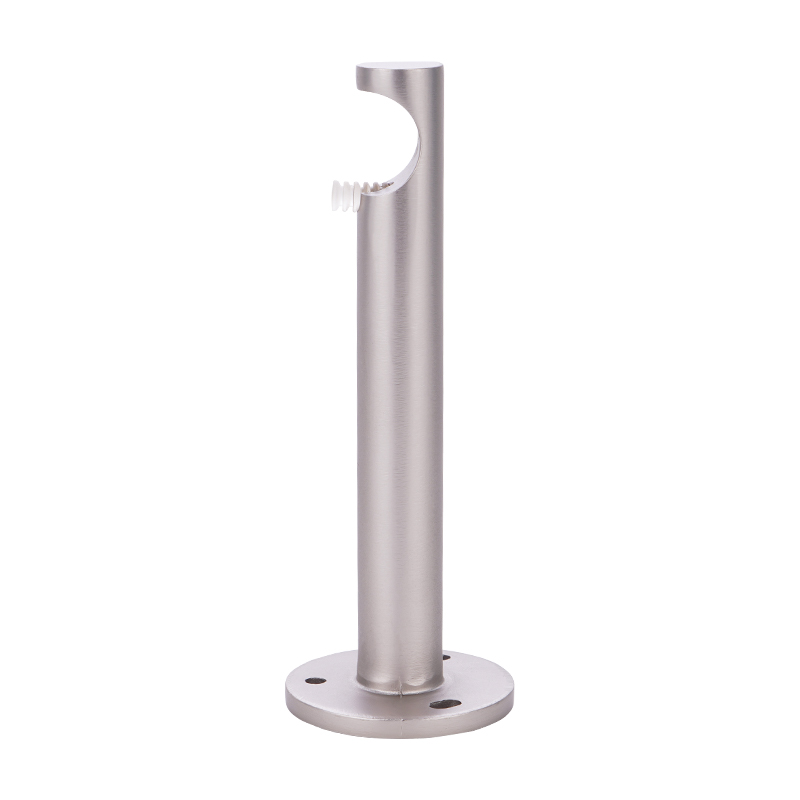
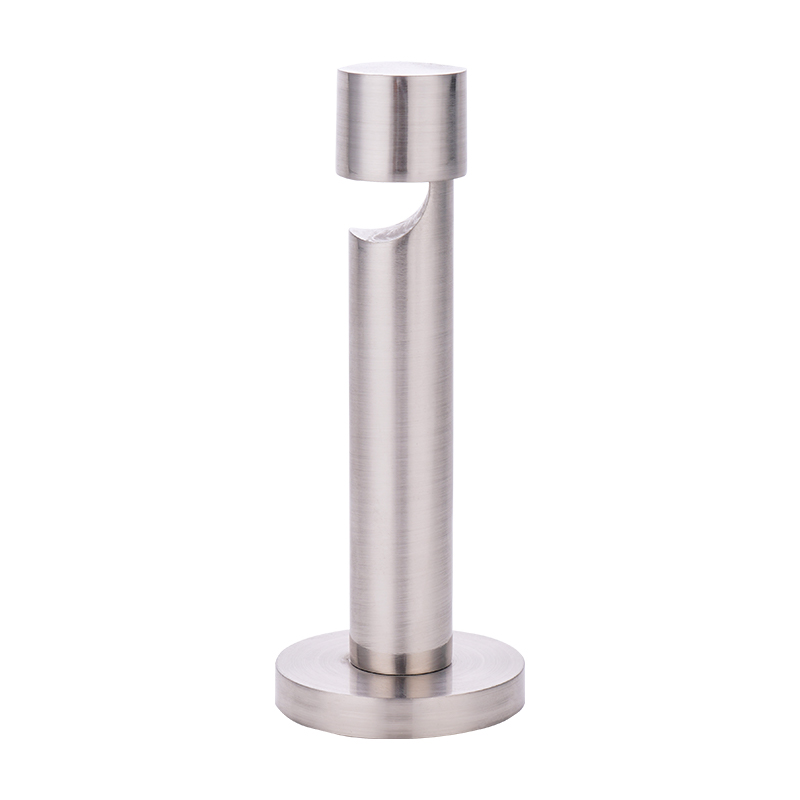
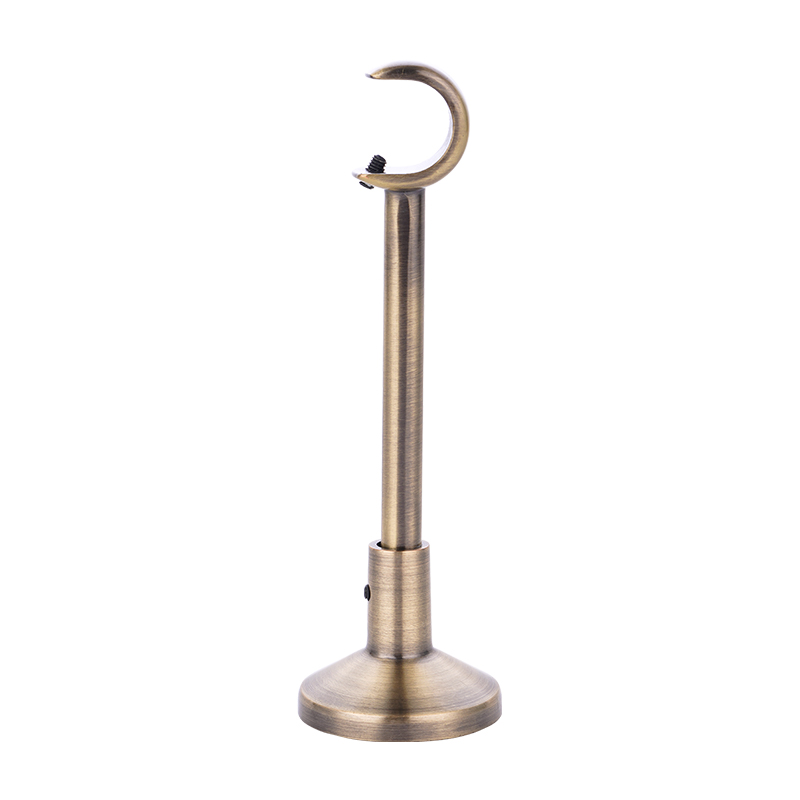
Verhokiinnike ulokkeen (etäisyys, jonka kiinnike ulottuu seinästä tangon keskipisteeseen) on mahduttava verhopinon leveys ja toimintatila. Normaalissa ikkunakäsittelyssä minimiulottuvuus on 10 cm (4 tuumaa), jotta verhot voivat tyhjentää ikkunan karmin ja listan . Valitse lämpövuorilla varustetuille pimennysverhoille 12-15 cm ulkonema, koska paksumpi kangas vaatii enemmän pinotilaa. Verhoille, joiden on tyhjennettävä patterit, ikkunan kammet tai syvät ikkunalaudat, mittaa esteen syvyys ja lisää 2-3 cm tarvittavan ulkoneman määrittämiseksi. Kiinnike, jonka ulkonema on riittämätön, pakottaa verhon pullistumaan esteiden ympärille, jolloin syntyy kevyitä rakoja ja huonoja verhoja.
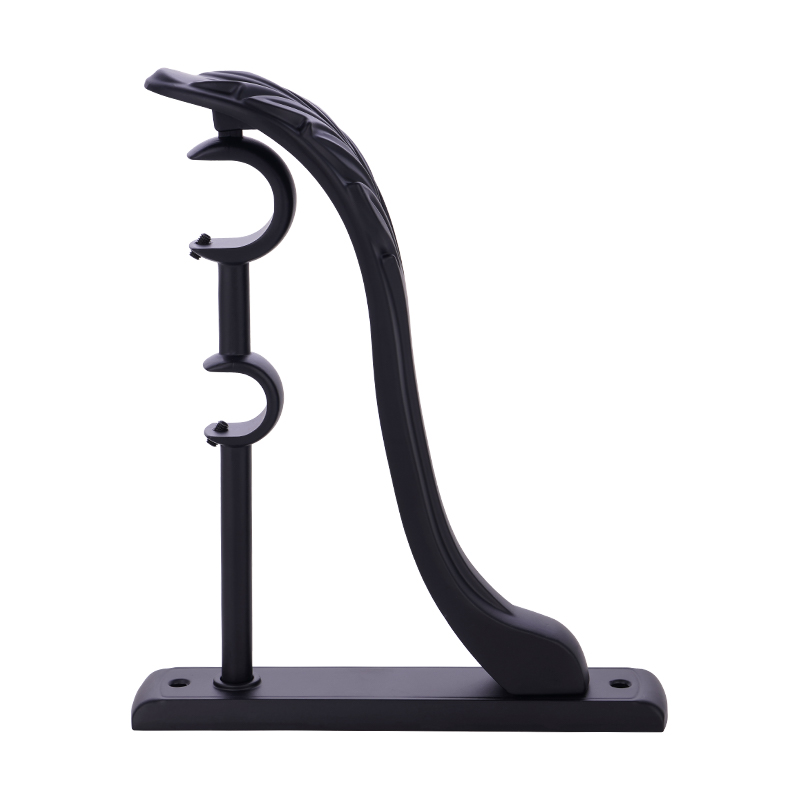
Projektio vaikuttaa kannattimen lujuuteen: pidempi projektio lisää kannatinvarren vipuvaikutusta (taivutusmomenttia). 15 cm:n ulokkeella on 50 % suurempi taivutusjännitys seinälevyssä kuin 10 cm:n kiinnike, joka kantaa saman verhon painon . Syvälle ulokkeelle (yli 15 cm) määritä kaksoiskannatinrakenne (kaksi vartta tukevat tankoa) tai kiinnike, jossa on vahvistetut kulmakivet (kolmiotuki) kuormien siirtämiseksi seinään. Vältä yksivartisia kiinnikkeitä syvälle projisointia varten, elleivät ne ole kiinteää terästä (ei meistettyä tai valettua), joiden varren paksuus on vähintään 5 mm.
| Sovellus | Pienin projektio (cm) | Suositeltu projektio (cm) | Erityisiä huomioita |
|---|---|---|---|
| Läpinäkyvät verhot (yksi kerros) | 7 | 10 | Minimaalinen pino, pieni paino |
| Vakioverhot (vuoraamaton) | 10 | 12 | Kirkkaat vakioikkunat |
| Pimennys- tai lämpöverhot | 12 | 15 | Paksumpi kangas, painavampi |
| Jäähdyttimen tai ikkunan kammen päällä | 15 | 20-25 | Vaatii vahvistetut kiinnikkeet |
| Kerroksellinen (pelkkä pimennys) | 15 | 18 | Tuplatanko tai päällekkäiset kiinnikkeet |
Painokapasiteetti: verhokuorman laskeminen
Ennen kuin valitset verhokiinnikkeitä, laske ikkunakäsittelyn kokonaispaino. Läpinäkyvät verhot painavat 0,5-1 kg leveysmetriä kohti; standardi puuvilla/polyesteriliinat painavat 1-2 kg/m; pimennysverhot painavat 2-4 kg/m; sametti tai raskaat lämpöverhot painavat 3-6 kg/m . 2,5 m leveässä ikkunassa, jossa on pimennysverhot, verhon kokonaispaino = 2,5 m × 3 kg/m = 7,5 kg. Lisää 15 % läpivienteihin, painoihin ja vuoraukseen = 8,6 kg:n kokonaiskuorma. Jaa kiinnikkeiden lukumäärällä (tyypillisesti 3 tälle jännevälille): jokainen kiinnike tukee noin 2,9 kg. Keskikannattimet kantavat kuitenkin suuremman kuorman, koska painon jakautuminen ei ole täysin tasaista; lisää 30 % turvamarginaalia. Telineen vähimmäiskapasiteetti kiinnikettä kohti: (kokonaiskuorma / kiinnikkeiden lukumäärä) × 1,3 . Tässä esimerkissä: (8,6/3) × 1,3 = 3,7 kg:n vähimmäisarvo kiinnikettä kohti.
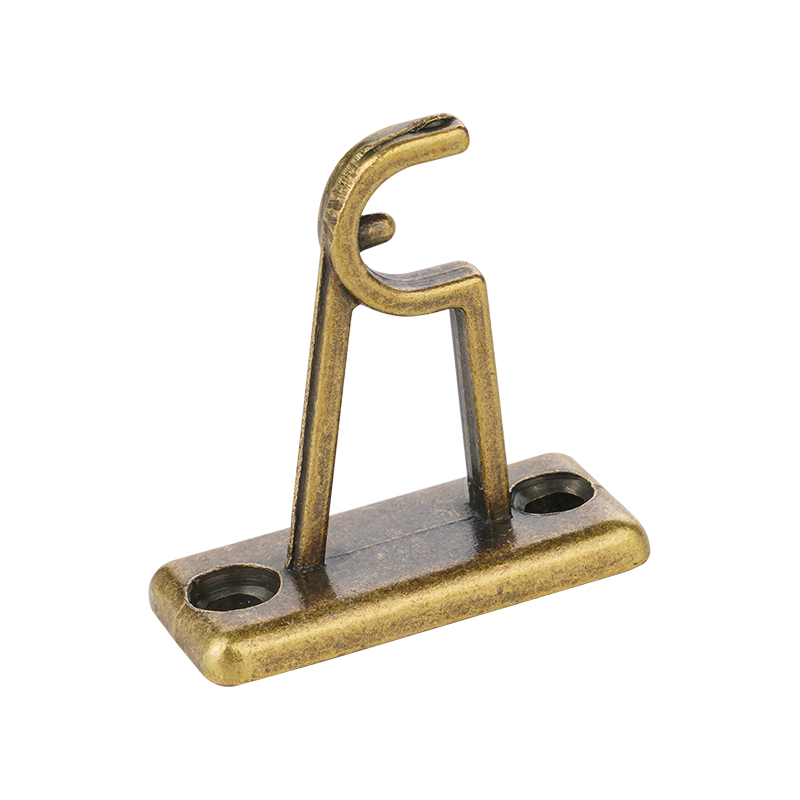
Pakkauksen kiinnitysluokitukset edellyttävät usein ihanteellisia olosuhteita (umpipuutappikiinnitys, ei sivuvoimaa). Kipsilevyasennuksessa muoviankkureilla, vähennä nimelliskapasiteettia 60-70 % . Kiinnike, joka on mitoitettu 15 kg:lle puunastalle, on mitoitettu vain 4-6 kg:lle kipsilevyyn. Raskaille verhoille (yhteensä yli 10 kg) kiinnitä aina kiinnikkeet puunastoihin tai käytä vaihtopultteja (ei muoviankkureita). Muurattuihin seiniin (tiili, betoni, lohko) käytä paisunta-ankkureita (ei muoviankkureita), joiden vetoisuus on vähintään 15 kg ankkuria kohti. Älä koskaan asenna raskaita verhokiinnikkeitä kipsilevyyn yksin ilman tukiankkureita.
Materiaalin lujuus: Teräs vs. alumiini vs. muovi
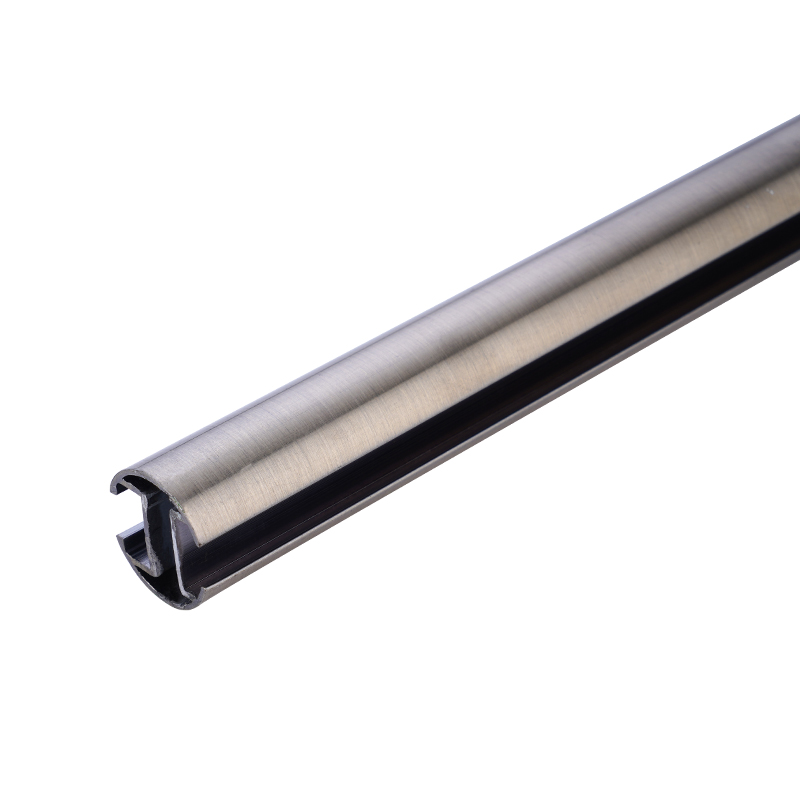
Verhokannattimet valmistetaan kolmesta päämateriaalista, joista jokaisella on omat lujuus- ja kestävyysominaisuudet. Teräskannattimet (jauhemaalatut tai pinnoitetut) tarjoavat korkeimman lujuus-koko-suhteen, ja niiden kantavuus on 15-30 kg per 2 mm paksu rakenne. . Teräs kestää virumista (pysyvä taipuminen jatkuvassa kuormituksessa) ja säilyttää muotonsa loputtomiin. Teräs kuitenkin ruostuu, jos pinnoite naarmuuntuu; kosteissa ympäristöissä (kylpyhuoneet, rannikkoalueet) määritä ruostumaton teräs tai merikäyttöinen pinnoitettu teräs. Alumiinikannattimet (valetut tai suulakepuristetut) ovat kevyempiä ja korroosionkestäviä, mutta niiden murtolujuus on pienempi (5-15 kg per kiinnike) ja ne ovat herkempiä virumismuodonmuutokselle ajan myötä. Raskaiden verhosovelluksien alumiinikannattimet aiheuttavat näkyvän painumisen 2-3 vuoden kuluttua.
Muovikannattimet soveltuvat vain erittäin kevyille verhoille (yhteensä alle 2 kg) ja väliaikaisiin asennuksiin. Muovi hiipii (muuttuu hitaasti) jatkuvassa kuormituksessa; 2 kg painava muovikiinnike painuu 5-10 mm 12 kuukauden kuluessa ja voi halkeilla 24 kuukauden kuluessa . UV-altistus nopeuttaa muovin hajoamista; aurinkoisten ikkunoiden muovikannattimet haurastuvat ja murtuvat 12-18 kuukauden kuluttua. Pysyviin asennuksiin (yli 1 vuosi) vältä muovisia kiinnikkeitä kokonaan. Pimennys- tai lämpöverhoissa teräs on ainoa hyväksyttävä materiaali. Vakioverhoissa 2 mm teräs tai 4 mm alumiini hyväksytään.
Hakasulkeiden väli: kuinka monta sulkua tarvitset?
Verhotangon painuma kiinnikkeiden välillä määräytyy jännevälin pituuden, tangon materiaalin ja verhon painon mukaan. Suurin suositeltu etäisyys kannattimien välillä on 1,2 m (4 jalkaa) terästankoille, 0,9 m (3 jalkaa) alumiinitankoille ja 0,6 m (2 jalkaa) muovi-/puutankoille . 2,4 metrin ikkunassa tämä tarkoittaa 3 kiinnikettä (päät keskellä). 3,6 metrin ikkunalle, 4 kiinnikettä (kaksi välipäätä). Yleinen virhe on käyttää vain päätykannattimia yli 1,5 m leveissä ikkunoissa; tanko painuu keskeltä, jolloin verhot liukuvat kohti keskustaa ja paljastavat valorakoja sivuilla.
Laske hakasulkujen välikaava: suurin jänneväli = tangon halkaisija (mm) × 50 ÷ verhon paino metriä kohti (kg) . Esimerkki: halkaisijaltaan 19 mm terästanko, verhon paino 3 kg/m → 19 × 50 ÷ 3 = 316 mm. Tämä osoittaa erittäin lyhyen jännevälin, mutta kaava on konservatiivinen raskaille verhoille. Käytä käytännön syistä enintään 1,2 metriä halkaisijaltaan 16-22 mm:n terästankoille tyypillisillä verhopainoilla (2-4 kg/m). Pidempiä jänteitä varten päivitä paksumpaan tankoon (28-32 mm) ja lisää välituki. Poikittaistankojen (köysivedettyjen) kannakkeiden etäisyys ei saa ylittää 0,8 m, jotta estetään tangon taipuminen, joka vaikuttaa verhojen seuraamiseen.
Seinäasennus: ankkurit, nastat ja seinätyypit
Seinän tyyppi määrää, mitä ankkureita ja asennustapaa tarvitaan. Puunastoihin (mieluiten): käytä halkaisijaltaan 4 mm (nro 8) puuruuveja, vähintään 50 mm tunkeuma nastan sisään. Jokainen nastan ruuvi tarjoaa 30-50 kg ulosvetovastuksen . Käytä nastaetsintä nastan keskipisteiden paikantamiseen; kannatinruuvit on keskitettävä nastan päälle (ei reunaan) halkeamisen välttämiseksi. Jos kipsilevyssä ei ole nastoja (ontto seinä), käytä vaihtopultteja (perhosankkureita) tai järeitä onttoja seinäankkureita (SnapSkru, Toggler). Muoviset uritetut ankkurit eivät riitä yli 2 kg:n verhojen painoon; ne vetäytyvät ulos kuormituksen alaisena, varsinkin kun verhot avataan ja suljetaan toistuvasti. Kiinnityspultit tarjoavat 15-25 kg vetovastus 13 mm kipsilevyssä.
Käytä tiili-, betoniseiniin tai lohkoseiniin paisunta-ankkureita (lyijyä tai nailonia), joiden halkaisija on 8 mm. Tarvitaan vasarapora ja muurausterä; poraussyvyyden tulee olla 10 mm syvempi kuin ankkurin pituus roskien estämiseksi . Puhdista reikä (puhalla pöly pois) ennen ankkurin asentamista. Kiinteän muurauksen paisuntaankkureiden vetovastus ylittää 50 kg. Laattaseinissä (kylpyhuoneet, keittiöt) käytä timanttikärkisiä poranteriä ja muovisia ankkureita, joissa on silikonitiiviste estääksesi kosteuden tunkeutumisen laatan taakse. Vältä laattojen ruuvien liiallista kiristämistä; vääntömomentin raja on noin 2-3 Nm (sormitiukalla plus neljänneskierros) laatan halkeilun estämiseksi.
Sijoitus korkeudelle: Etäisyys ikkunan kehyksestä
Verhokannattimen korkeus vaikuttaa sekä estetiikkaan että kevyeen tukkeutumiseen. Vakiosääntö: kiinnitä kiinnikkeet 10-15 cm ikkunan karmin yläpuolelle saadaksesi moderni ilme tai 5-8 cm yläpuolelle perinteisen ilmeen saamiseksi . Asennus lähemmäs kuin 5 cm karmin yläpuolelle rajoittaa verhon kykyä pinota kokonaan pois ikkunasta jättäen kevyen raon. Asennus korkeammalle kuin 20 cm karmin yläpuolelle luo suuren avoimen tilan (reunusalueen), joka voi paljastaa ikkunan yläpuolella olevan paljaan seinän, joka näyttää keskeneräiseltä, ellei reunalistaa tai reunalistaa ole asennettu.
Alle 2,4 metrin (tavallinen 8 jalan katto) kattoon kiinnityskannattimet (uppoasennus) luovat illuusion korkeammista ikkunoista. Kattoon kiinnitettävät kannattimet vaativat erikoislaitteiston, joka kiinnitetään suoraan kattopalkkiin (ei pelkästään kipsilevyyn) . Käytä 50 mm puuruuveja palkkeihin; Kipsilevyn kattoon kiinnitettävät pultit eivät ole turvallisia yli 5 kg:n verhoille, koska kattokipsilevyllä ei ole rakenteellista taustaa. Yli 2,7 metrin (9 jalkaa) kattokorkeudessa seinäkiinnikkeet 15-20 cm ikkunan yläpuolella tarjoavat tasapainoisen osuuden. Testaa korkeus pitämällä näytekannatinta ja tankoa paikallaan ennen poraamista; astu taaksepäin 3-4 metriä nähdäksesi tasapainon.
Kulma- ja erkkeri-ikkunan kiinnikkeet
Erkkeri- ja kulma-asennukset vaativat erikoistuneita verhokiinnikkeitä tai liitinjärjestelmiä. Säädettävät kulmakiinnikkeet (0-135 astetta) mahdollistavat jatkuvan verhotangon kiertymisen kulmien ympärille ilman näkyviä rakoja liitoksessa . Näissä kiinnikkeissä on tyypillisesti pyörivä varsi, joka lukittuu haluttuun kulmaan. Valitse 90 asteen sisäkulmissa (tavallinen erkkeri-ikkuna) kiinnikkeet, jotka mahdollistavat tangon lähestymisen 2–3 cm:n etäisyydelle viereisestä seinästä. suuremmat raot aiheuttavat valovuotoja kulmiin. Käytä ulkonurkissa (kiedot ulkonevan seinän ympärille) kulmakappaletta, joka hyväksyy tangot molemmista suunnista säteitettyyn kulmakappaleeseen.
Kolmella tai useammalla paneelilla varustetuissa erkkeri-ikkunoissa jokaisessa kulmassa on oltava oma kiinnike tarkalleen erkeen kulmassa. Mittaa jokainen erotuskulma kulmamittarilla (astemittarilla) ennen kulmakiinnikkeiden tilaamista; vakiokulmat ovat 135°, 150° tai 165° (ei 90°) . 90 asteen kannattimen käyttäminen 135 asteen lahdelle luo 45 asteen raon kulmaan, joka näkyy sisältä ja ulkoa. Mukautettuja säädettäviä kiinnikkeitä, jotka ulottuvat 120-170 astetta, on saatavana ei-standardipoikkeamakulmille. Segmentoiduissa erkkeri-ikkunoissa (yksittäiset tangot jokaiselle paneelille) käytä tavallisia päätykannattimia jokaisessa kulmassa ja aseta verhot päällekkäin kulmissa yhtenäisten tankojen sijaan.
Kaksinkertaiset tangonkannattimet kerroksellisille verhoille
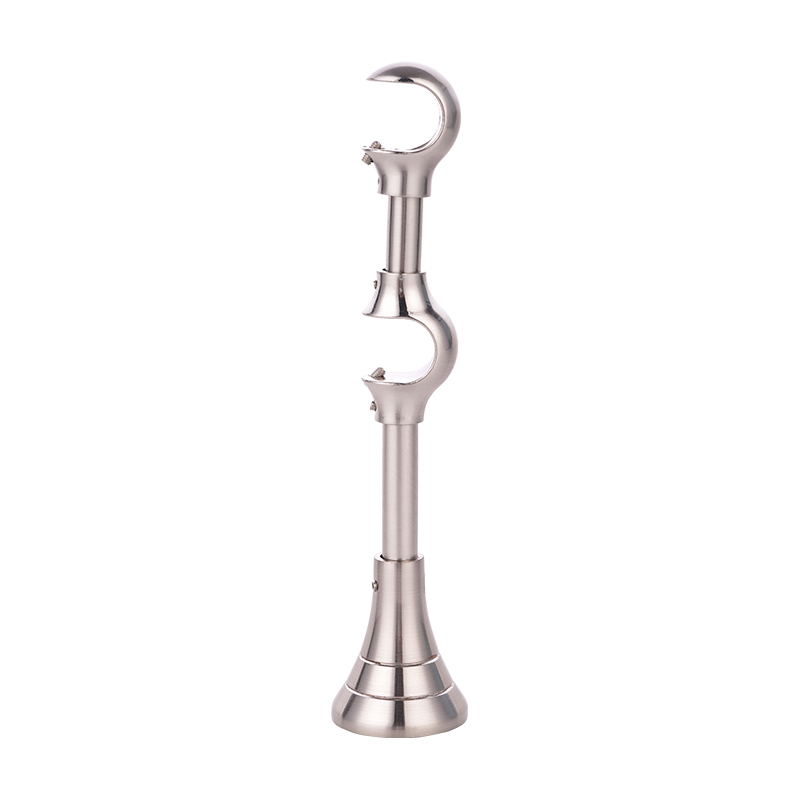
Kerroksellisissa ikkunoissa (pimennys- tai lämpöverhojen takana) kaksoistankokannattimet pitävät kaksi erillistä tankoa. Kaksinkertaiset sauvan kiinnikkeet vaativat 12-15 cm ulomman ulkovavan ja 5-8 cm sisemmän tangon, yhteensä 17-23 cm . Ulompi tanko (koristeverho) kiinnitetään kauemmaksi seinästä; sisätanko (läpinäkyvä tai suojaverho) kiinnittyy lähemmäs. Kaksoiskannattimien on oltava teräsrakenteisia; alumiiniset tai muoviset kaksoiskannattimet taipuvat kahden verhosarjan yhteispainon alaisena. Kuormitustestauksessa alumiiniset kaksoiskannattimet painuvat 5-10 mm 6 kuukauden kuluessa, kun ne tukevat yhteensä 6 kg (3 kg per sauva).
Harkitse erillisiä kiinnikkeitä jokaiselle tangolle (kaksi yksittäistä kiinnikettä vierekkäin) vaihtoehtona kaksoiskannattimille. Erilliset kannattimet mahdollistavat itsenäisen korkeuden säädön, ja ne voidaan porrastaa (ulompi tanko asennettuna 5-10 cm korkeammalle kuin sisätanko) kerroksellisesta, mitoittavasta ilmeestä . Erilliset kiinnikkeet vähentävät myös yksittäisen seinäankkurin painoa; kaksoiskannattimilla neljä ruuvia jakaa kuorman; kahdella singlellä kahdeksan ruuvia jakaa kuorman. Ainoa haittapuoli on leveämpi seinäpeitto – yksittäiset kannakkeet vaativat 15-20 cm vaakasuoraa seinätilaa kannatinparia kohden, mikä ei välttämättä sovi kapeisiin ikkunoihin.
Viimeistely ja korroosionkestävyys
Verhokiinnikkeen viimeistely vaikuttaa sekä ulkonäköön että pitkäikäisyyteen. Jauhemaalatut pinnat (paistettu polyesteri) ovat kestävimmät, kestävät naarmuuntumista, lohkeilua ja korroosiota 10 vuotta sisätiloissa . Jauhemaalausta on saatavana matta-, satiin- tai kiiltävänä; mattapintainen pinta piilottaa pölyn ja sormenjäljet paremmin kuin kiilto. Galvanoidut pinnat (kromi, nikkeli, messinki) ovat ohuempia (20-40 mikronia vs. 100-150 mikronia jauhemaalauksessa) ja naarmuuntuvat helpommin; naarmut paljastavat paljaan teräksen, mikä johtaa ruosteeseen kosteissa ympäristöissä. Maalatut pinnat (levitys märkänä) ovat vähiten kestäviä; ne sirpaloituvat 2-3 vuoden sisällä verhojen säännöllisestä toiminnasta.
Valitse kylpyhuoneisiin, keittiöihin tai rannikkotaloihin (suolailma) ruostumattomasta teräksestä valmistetut kiinnikkeet harjatulla tai kiillotetulla viimeistelyllä. 304 ruostumaton teräs (18/8) tarjoaa riittävän korroosionkestävyyden sisäkäyttöön; 316 ruostumatonta terästä (merilaatu) suositellaan 1,6 kilometrin säteellä suolavedestä . Vältä pinnoitettua terästä tai alumiinia näissä ympäristöissä; alumiini kehittää valkoista korroosiota (alumiinioksidijauhetta), joka tahraa verhot ja seinät. Budjettitietoisissa asennuksissa normaaleissa ympäristöissä jauhemaalattu teräs vähintään 2 kerroksella (kokonaispaksuus 80 mikronia) tarjoaa parhaan vastineen. Tarkista pinnoitteen peitto vaikeapääsyisillä alueilla (asennuslevyn sisällä, varren alapuolella); Näillä alueilla peittämätön teräs ruostuu sisältä ulospäin.
Tasoitus- ja säätöominaisuudet
Verhokannattimet, joissa on sisäänrakennettu tasonsäätö, kompensoivat seinien tai ikkunoiden epätasaisuutta. Säädettävissä kiinnikkeissä on säätöruuvi, joka mahdollistaa 5-15 mm pystyliikkeen asennuksen jälkeen . Tämä on erittäin tärkeää asennuksissa, joissa seinä tai ikkuna ei ole täysin tasainen (yleistä vanhemmissa kodeissa). Ilman säädettäviä kiinnikkeitä tanko voi istua näkyvästi vinossa, jolloin verhot liukuvat alareunaa kohti. Tasoita kiinnikkeet asennuksen jälkeen: (1) kiristä kiinnitysruuvit, (2) aseta taso kannakkeiden poikki, (3) löysää korkeiden kannattimien säätöruuvia laskeaksesi, (4) kiristä ja tarkista uudelleen. Säädettävät kiinnikkeet maksavat 20–40 % enemmän kuin kiinteät kiinnikkeet, mutta säästävät 1–2 tuntia välilevyjen ja uudelleenporauksen aikana.
Kiinteät kannakkeet vaativat täydellisen asennuskohdistuksen. Käytä kiinteitä kiinnikkeitä lasertason tai liituviivan avulla kiinnikkeiden sijainnin merkitsemiseen ennen poraamista . Mittaa ikkunakehyksen yläosasta jokaiseen kannatinasentoon; kaikkien mittojen on oltava identtisiä 2 mm:n sisällä. Epätasaisissa seinissä nosta ne tasolle käyttämällä muovi- tai metallilevyjä alempien kannakkeiden takana. Välilevyt on leikattava vastaamaan kannatinlevyn kokoa; aluslevyjen pinoaminen kannattimen taakse ei ole hyväksyttävää, koska kannake heiluu kuormituksen alaisena. Pitkillä jänteillä (yli 2,5 m) laservaaka on välttämätön; kuplapinnat eivät ole riittävän tarkkoja pitkillä etäisyyksillä (1 aste poikkeavasta pinnasta = 44 mm:n pudotus 2,5 metrin korkeudessa).
Tarkastus- ja vaihtokyltit
Verhokiinnikkeet on tarkastettava 12-24 kuukauden välein, erityisesti raskaat verhot. Merkkejä kannakkeen rikkoutumisesta: näkyvä painuma (tanko ei ole tasossa ikkunan karmin kanssa), halkeamia kannakkeen varressa tai asennuslevyssä, pinnalla näkyvä ruoste tai korroosio tai kiinnikkeet, jotka tuntuvat löysiltä verhoja avattaessa/suljettaessa . Tarkista muovikiinnikkeiden värimuutokset (keltaisuus osoittaa UV-säteilyn hajoamista) ja hiushalkeamia kiinnitysreikien ympärillä. Tarkista alumiinikiinnikkeiden ryömintä (pysyvä taipuminen) asettamalla suora reuna kannattimen vartta pitkin; yli 3 mm:n rako osoittaa virumista ja uhkaavaa vikaa.
Tarkista teräskannattimien ruoste ruuvinrei'istä ja kohdista, joissa tanko koskettaa kiinnikettä. Pintaruoste (oranssi jauhe) on kosmeettista; pinnoitteen läpi tunkeutunut syvä ruoste (syöpymä) vaatii vaihtoa . Testaa ruosteen syvyys kaapimalla ruuvimeisselillä; Jos metalli hilseilee tai pinnan alla on tummia, vaihda kannatin. Tarkista kaikkien kiinnikkeiden kohdalla seinäankkurin eheys: kannatin, joka heiluu, kun tanko nostetaan, tarkoittaa ankkurin vetäytymistä tai ruuvin löystymistä. Kiristä ruuvit uudelleen (jos metallipultit tai muuraus) tai vaihda ankkurit (jos kipsilevy). Älä vain kiristä löystyneitä kipsilevyankkureita uudelleen – ne ovat jo epäonnistuneet eivätkä kestä.
Lasten turvallisuusnäkökohdat
Pienten lasten kotien verhokiinnikkeiden turvaominaisuudet ovat kriittisiä. Ikkunoiden peitenauhat aiheuttavat kuristumisvaaran; käytä johdottomia verhoja tai asenna johdon kiristyslaitteet kaikkiin johtoverhoihin . Kiinnikkeet itsessään eivät yleensä ole suoraa vaaraa, mutta asennuskorkeudella on väliä: 60 cm lattiasta (ikkunoiden alle) asennettuja kannakkeita voidaan vetää taaperoille. Varmista, että kannattimet on kiinnitetty tiukasti nastoihin, joissa on ruuvit, joita ei voi vetää ulos käsin (läpivienti vähintään 35 mm). Käytä lattiasta kattoon ulottuvissa verhoissa, joissa kannatin on lapsen korkeudella, pyöristettyjä reunoja (ei teräviä kulmia) ja peitä paljastuneet ruuvinpäät nappikanneilla.
Sängyt ja leikkialueet, pidä verhokannattimet ja tangot vähintään 150 cm lattian yläpuolella (poissa ulottuvilta). Älä koskaan asenna verhoja tai kiinnikkeitä suoraan pinnasängyn yläpuolelle. putoava tanko tai kiinnike voi vahingoittaa lasta vakavasti . Käytä vain seinään kiinnitettäviä kiinnikkeitä (ei kattoon kiinnitettäviä) lastenhuoneissa; Kipsilevyn kattokiinnikkeillä on pienempi ulosvetovastus, ja ne rikkoutuvat todennäköisemmin, jos lapsi vetää verhoista. Asenna paksusta kankaasta (pimennys, lämpö) valmistetuille lasten verhoille välikiinnike 60 cm välein kuorman jakamiseksi ja yksittäisen kiinnikkeen rasituksen vähentämiseksi. Tarkista kiinnikkeiden kireys kuukausittain lastenhuoneissa; aktiiviset lapset voivat vetää, heilua tai kiivetä verhoja, mikä kiihdyttää kiinnikkeiden väsymistä.